What is the Role of Colors in Logos?
When you think of iconic brands like Coca-Cola, McDonald’s, or Apple, what comes to mind first? Most likely, it’s not just the logo design itself but the colors associated with it. Color plays a critical role in how logos communicate a brand’s identity, values, and message. It is much more than just a design choice—it’s a powerful tool that shapes perception.
Here’s why colors are vital in logos and how they influence branding:
1. Evoking Emotions and Psychological Responses
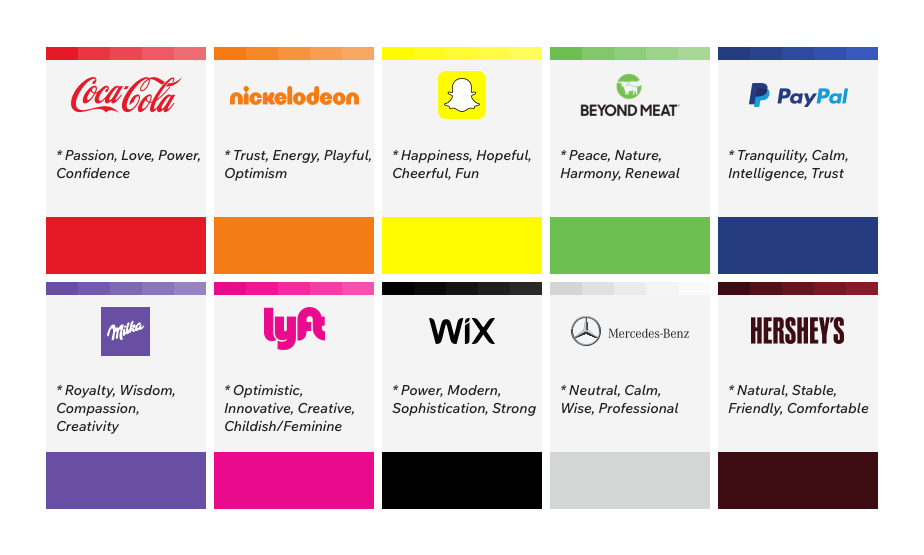
Colors evoke specific emotions and psychological responses in viewers. For example:
- Red often signifies passion, energy, and urgency. It’s bold and commands attention.
- Blue is associated with trust, dependability, and calmness, which is why it’s common in the tech and finance industries.
- Green symbolizes growth, nature, and health, often used by eco-friendly or wellness-focused brands.
- Yellow exudes warmth, optimism, and positivity.
Understanding the psychological impact of colors helps brands create logos that align with their intended audience’s emotional response.
2. Strengthening Brand Recognition
The use of consistent colors in a logo makes a brand easily recognizable. Think about how we instantly associate blue and white with Facebook or red and yellow with McDonald’s. These colors become a part of the brand’s identity and, when used consistently, make it easier for consumers to identify and remember the brand across platforms and products.
3. Differentiating from Competitors
A well-thought-out color scheme in a logo helps a brand stand out from the competition. For example, in an industry dominated by blue logos (like technology), a company that uses green or purple might create a distinct visual identity. Choosing the right colors not only sets the brand apart but also communicates its unique values or niche.
4. Communicating Brand Values and Industry Relevance
Colors are often selected to convey specific brand values or align with the industry in which the business operates. For instance:
- Luxury brands tend to use black and gold to signify exclusivity and sophistication.
- Health and wellness brands often choose soothing colors like green and blue to reflect natural or peaceful qualities.
- Tech brands usually favor blue or gray to indicate professionalism and innovation.
5. Cultural Significance of Colors
Colors have different meanings across cultures. For example, while white signifies purity and simplicity in Western cultures, it can represent mourning in some Eastern cultures. Brands that operate globally must consider these cultural nuances when choosing colors for their logos to ensure that the message is consistent across different regions.
6. Creating a Memorable First Impression
A logo is often the first thing a potential customer notices about a brand. The colors used can create a lasting impression. Whether a brand wants to appear professional, fun, eco-friendly, or luxurious, the choice of color sets the tone for how consumers perceive the brand from the very first glance.
7. Influencing Consumer Behavior
Colors can subtly influence consumer decisions. For instance:
- Red stimulates action, often used for calls to action or in retail to drive sales.
- Blue builds trust, making it a popular choice for banks and insurance companies.
The right color choice in a logo can subtly guide consumers’ behaviors, from clicking a button to making a purchase.
Conclusion
In conclusion, color is not just a visual element in logo design—it’s a critical tool that communicates the essence of a brand. By evoking emotions, strengthening recognition, differentiating from competitors, and aligning with cultural and industry standards, colors play a pivotal role in shaping how consumers perceive and interact with a brand.
The next time you see a logo, take a moment to consider the thought behind its color choices. It’s more than just aesthetics; it’s strategic branding at its finest.