In today’s fast-paced, highly competitive business world, branding has emerged as a critical tool for success. Whether you are a startup or a well-established company, branding can significantly impact your ability to connect with customers, differentiate from competitors, and establish a strong market presence. But what exactly is branding, and why does it matter? In this post, we’ll explore what branding means and why it’s crucial for the growth and sustainability of a business.
What is Branding?
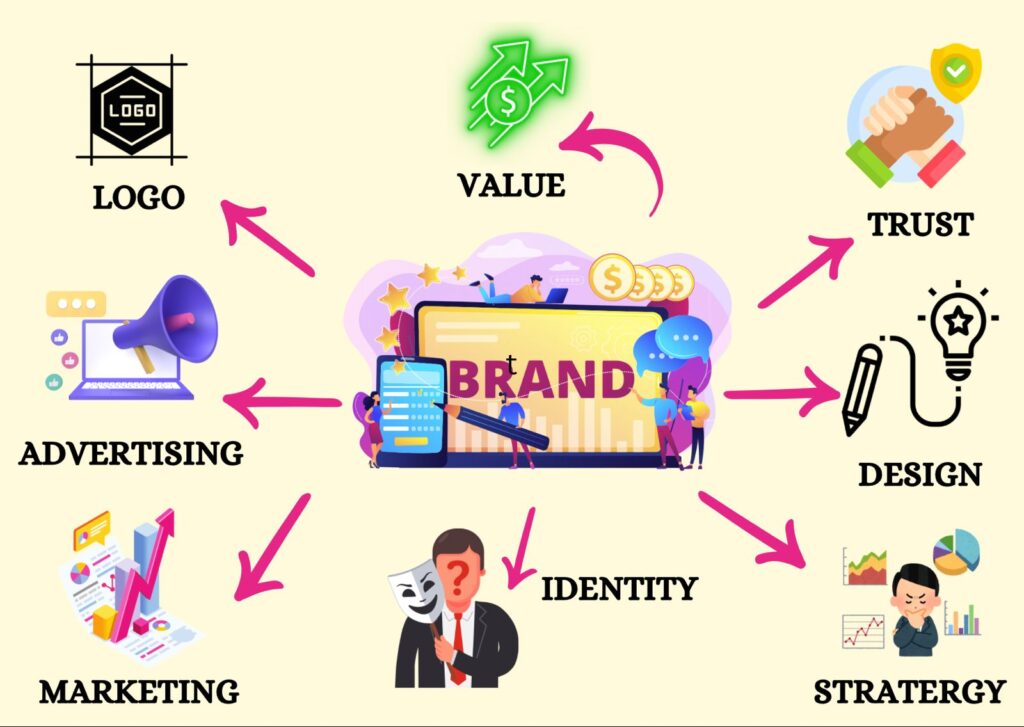
Branding is more than just a logo, tagline, or company name. It’s the overall perception that your customers, clients, and the general public have about your business. Branding encompasses every aspect of how your company is presented and perceived — from visual elements like your logo and color scheme to intangible aspects such as your values, mission, and customer experience.
At its core, branding is the practice of creating a unique identity for your business that resonates with your target audience. It’s how you differentiate yourself in the marketplace and build emotional connections with your customers.
Key Elements of Branding
1. Brand Identity
Brand identity is the collection of all visual and verbal elements that represent your business. This includes your:
– Logo : The symbol or design that identifies your business.
– Tagline or Slogan : A memorable phrase that communicates your brand’s essence.
– Color Palette : The set of colors used consistently across all brand materials.
– Typography : The fonts and styles used in marketing materials.
– Voice and Tone : The language and style you use in your communications, whether formal, playful, or casual.
Together, these elements create a cohesive brand identity that tells customers who you are and what you stand for.
2. Brand Promise
Your brand promise is the commitment you make to your customers. It’s what your customers can expect every time they interact with your brand. This could relate to the quality of your products, your level of customer service, or the values that drive your business. A strong brand promise sets you apart from competitors and builds trust with your audience.
3. Brand Values and Mission
Consumers today are drawn to brands that align with their personal values and beliefs. Having a clearly defined mission and set of values helps your customers understand what your business stands for. Are you eco-friendly? Do you prioritize innovation? These values should be consistently communicated across all channels to attract customers who share those ideals.
4. Brand Experience
Branding isn’t just about what people see; it’s about how they feel when interacting with your business. Every touchpoint, from your website design and customer service to the packaging of your product, contributes to the overall brand experience. A positive, consistent experience can create loyalty and turn customers into advocates for your brand.
5. Brand Positioning
Brand positioning is how you differentiate your business from competitors in the minds of your target audience. Are you a luxury brand or an affordable alternative? Do you cater to professionals or casual users? Effective brand positioning ensures that customers know exactly what to expect when they choose your product or service over others.
Why is Branding Important?
1. Creates Recognition
A strong, consistent brand identity makes your business instantly recognizable. Over time, customers come to associate certain symbols, colors, and phrases with your company. Think of brands like Apple, Coca-Cola, or Nike — their logos and colors alone evoke a clear sense of who they are.
2. Builds Trust and Credibility
People are more likely to do business with companies they trust. A strong brand helps build credibility in the marketplace by showing that you’re reliable, professional, and deliver on your promises. Consistency in your branding reinforces this trust over time.
3. Emotional Connection
Great branding connects with customers on an emotional level. Whether it’s the sense of adventure evoked by a brand like Red Bull or the luxury associated with brands like Chanel, branding can tap into emotions that drive customer loyalty and long-term relationships.
4. Supports Marketing Efforts
Branding makes your marketing efforts more effective. A well-defined brand identity allows you to craft targeted, cohesive marketing campaigns. Whether you’re running ads, engaging on social media, or creating content, your brand guides the tone, message, and style, ensuring everything feels unified.
5. Increases Business Value
A strong brand can increase the overall value of your business. When customers recognize and trust your brand, they are more likely to choose you over competitors, even if your prices are higher. Branding also adds intangible value to your business, which can be beneficial if you ever want to expand, form partnerships, or attract investors.
How to Build a Strong Brand
1. Know Your Audience
The foundation of strong branding is a deep understanding of your target audience. Who are they? What do they value? What problems do they need solving? Knowing your audience allows you to craft a brand that speaks directly to them.
2. Develop a Unique Value Proposition (UVP)
Your UVP is what makes your brand stand out. It’s the unique combination of benefits that only your brand offers. Clearly defining and communicating your UVP helps you carve out a distinct place in the market.
3. Be Consistent
Consistency is key to effective branding. Your logo, messaging, color palette, and customer interactions should all reflect a unified brand. Inconsistencies confuse customers and weaken your brand’s overall impact.
4. Deliver on Your Promise
A strong brand delivers on its promises. If your brand promises high quality, your products and services must reflect that. Meeting or exceeding customer expectations builds trust and strengthens your brand reputation.
5. Engage and Evolve
Building a strong brand doesn’t stop once you have a logo and a website. Regularly engage with your audience, listen to feedback, and evolve as needed. Successful brands adapt to market trends while staying true to their core identity.